



By 2026, money habits have shifted how people see what fills their houses. Not long ago, furniture came and went like seasons; now that rhythm slows. Because better-made things cost more each year, folks examine old couches and kitchen tables with sharper eyes on staying power. Rather than toss something showing age, someone might pause and wonder if mending could be the next move.
Most days at Furniture Repair Man look alike. People reach out with photos of old favorites, unsure whether fixing them makes sense. Numbers favor repair, yet clarity comes by knowing how prices take shape in 2026. A drooping couch or dining table worn thin by years each carries weight. This piece walks through what unfolds once someone steps into a pro’s shop aiming to revive what time has softened.
1. Factors That Affect Price
A technician’s quote always juggles four main parts. Think of time, parts, skill level, and equipment needed—each shapes the total. What one shop includes might surprise you. The final number ties back to these pieces fitting together.
Most of the price comes from handwork. Taking apart every piece of a chair, going right down to its skeleton, adds up fast. Pulling out rusty staples, scrubbing hidden parts, and fixing broken springs shape what you pay.
Expect shifts in fabric, leather, and wood availability through 2026. Sourced from distant regions, these goods often cost more. Price swings show up when totaling expenses. Overseas shipping and aging methods add time, pushing costs upward.
Older furniture carries classic craftsmanship—think hand-linked coils or natural cotton and horsehair. Unlike today’s mass-produced items built with pneumatic tools and man-made foam, those pieces took time to assemble. Restoring them demands skilled hands, and that skill shows up on the invoice.
Heavy furniture often requires extra delivery fees, usually between 100 and 300 dollars. That charge covers trained help loading, fastening, and hauling your item. Protection during transit is built into the price.
2. Upholstery Repair: From Fixes to Restorations
Sinking into your couch? Chances are, the foam inside has given up. High-quality dense foam keeps things firm. Size and thickness shift costs, but most people spend between 150 and 400 dollars to give a sofa fresh guts.
A tiny pull in the fabric? Skip replacing all the covering. Experts often stitch weak spots back together for between 100 and 250 dollars.
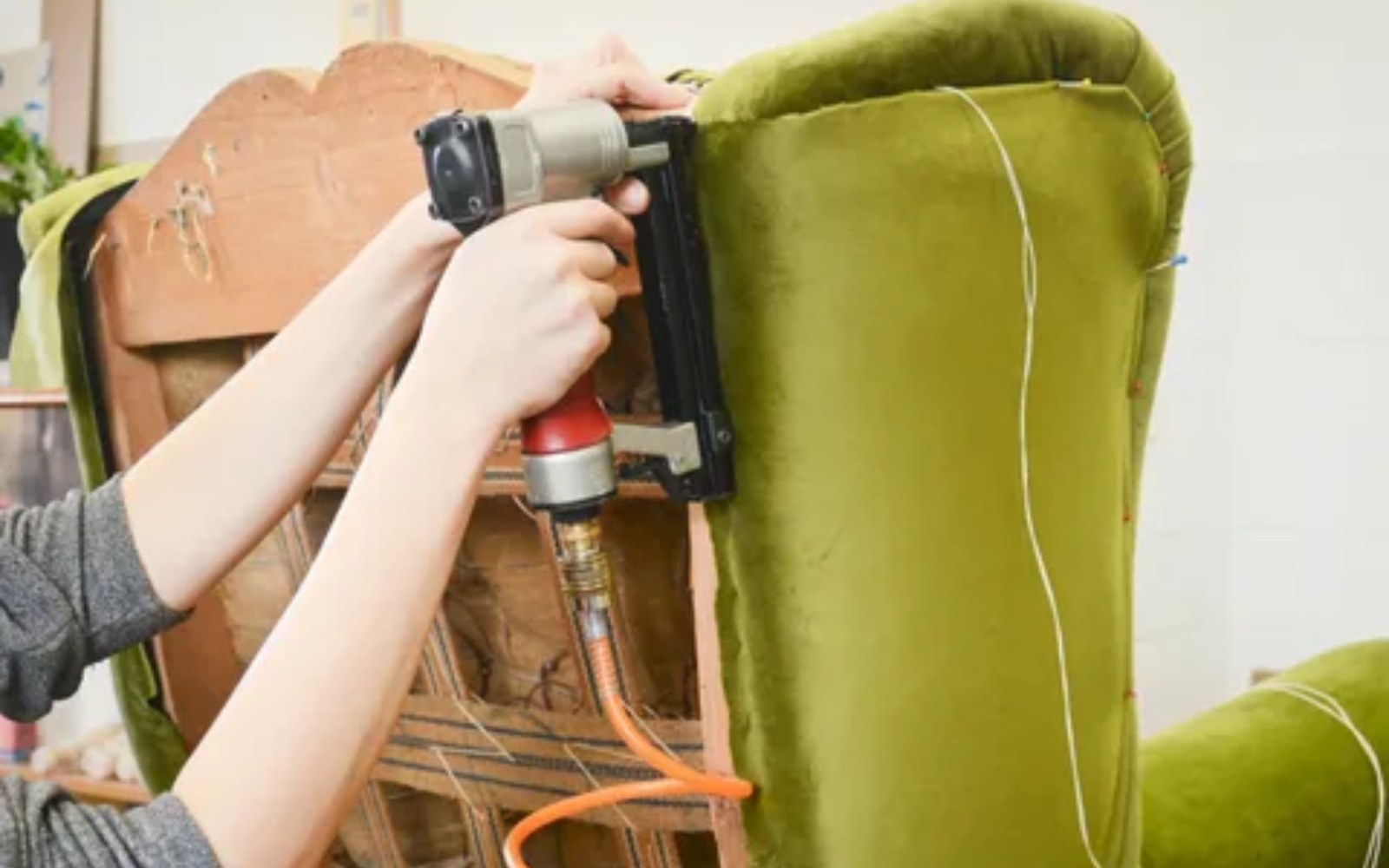
Full re-upholstery is like giving your chair a new skin. Most single chairs take about 500 to 1,200 dollars. A three-seat couch begins near 1,500, jumping past 3,500 with fancy materials. It feels steep until you compare it to luxury store prices, which often run double or triple.
3. Restoring Leather
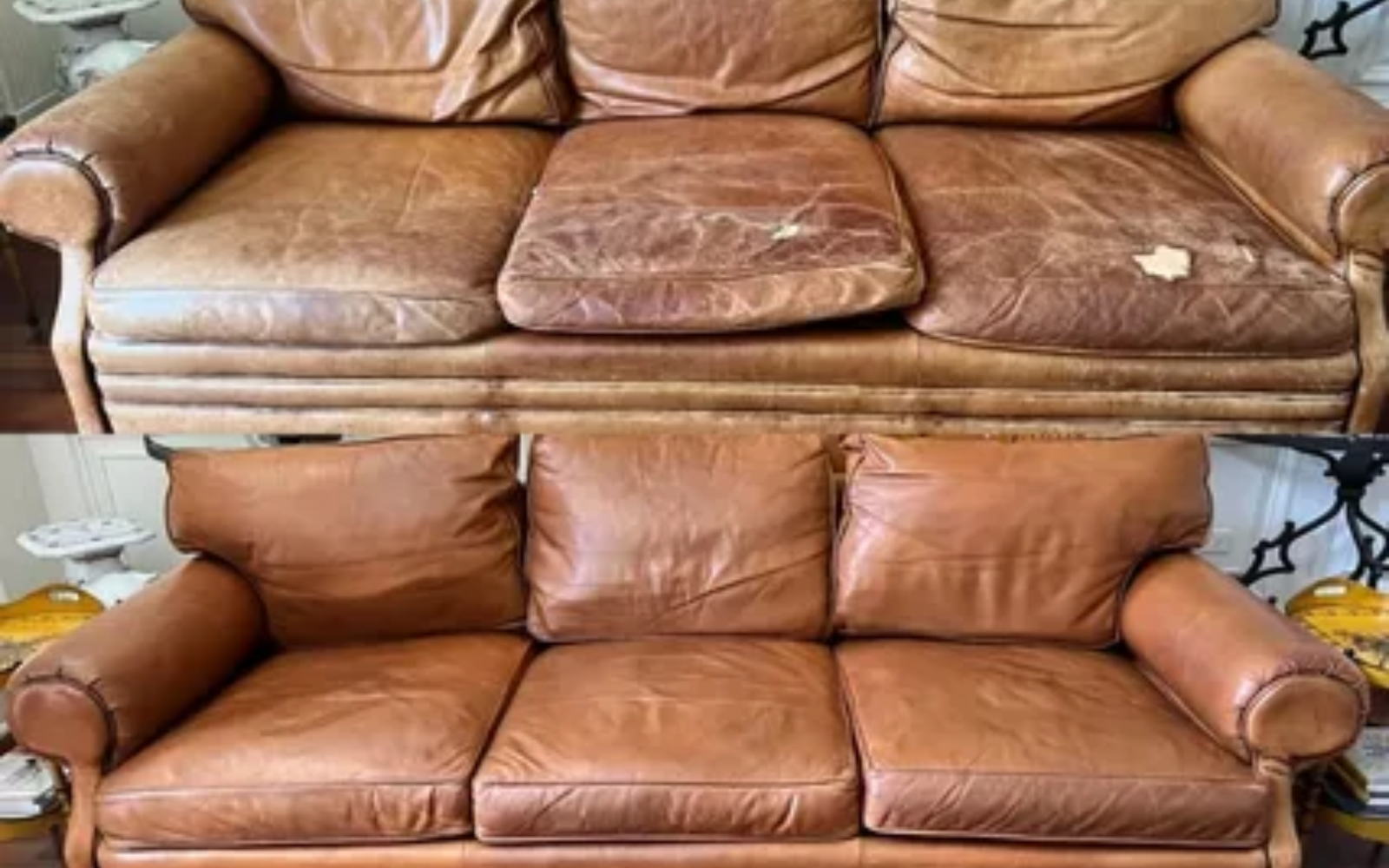
Leather needs care. Without moisture, it grows stiff. Sunlight steals its color. Most pieces need a clean and refresh now and then; costs run between 150 and 300 dollars.
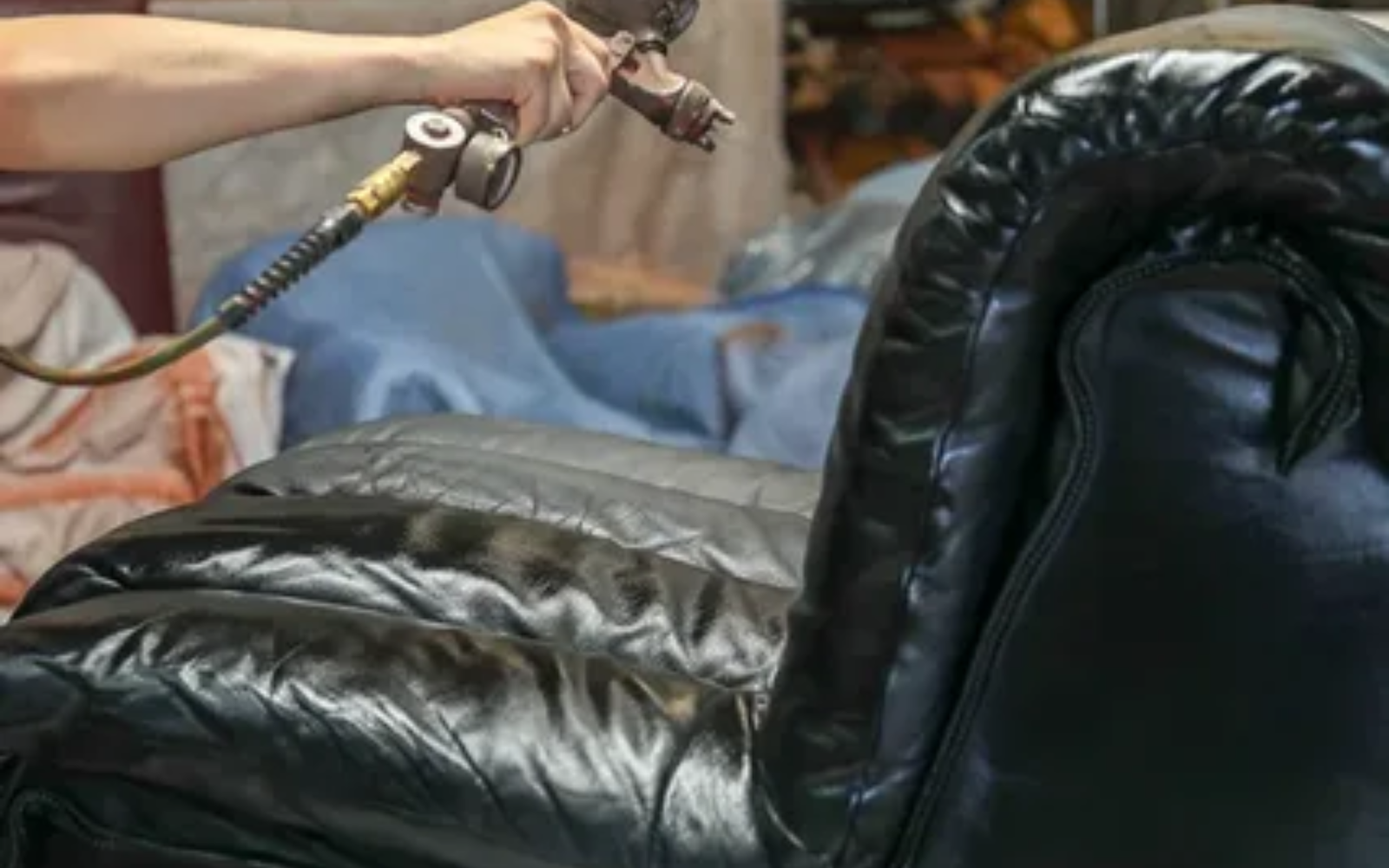
Years of fading can disappear when experts apply custom dyes. Matching the shade helps cover light scratches. People usually pay between 300 and 600 dollars. When rips are deep, experts seal the split, then blend the color. Such careful fixes run from 400 to 800 dollars.
4. Restoring Wood and Cabinets
Puzzle pieces click into place when fixing scratched tabletops. For minor scuffs, a pro might remove the glossy layer and match the color just where needed. Cost fits between 200 and 450 dollars.
When your dining table looks dull, it might need a full refresh. Starting from bare wood, the old coating comes off entirely. Work like this takes time; price tags sit between 800 and 2,000 dollars. Wobbly legs? Most folks find the bill lighter than expected, usually 100 to 300 dollars per piece.
5. Structural Frame Repair
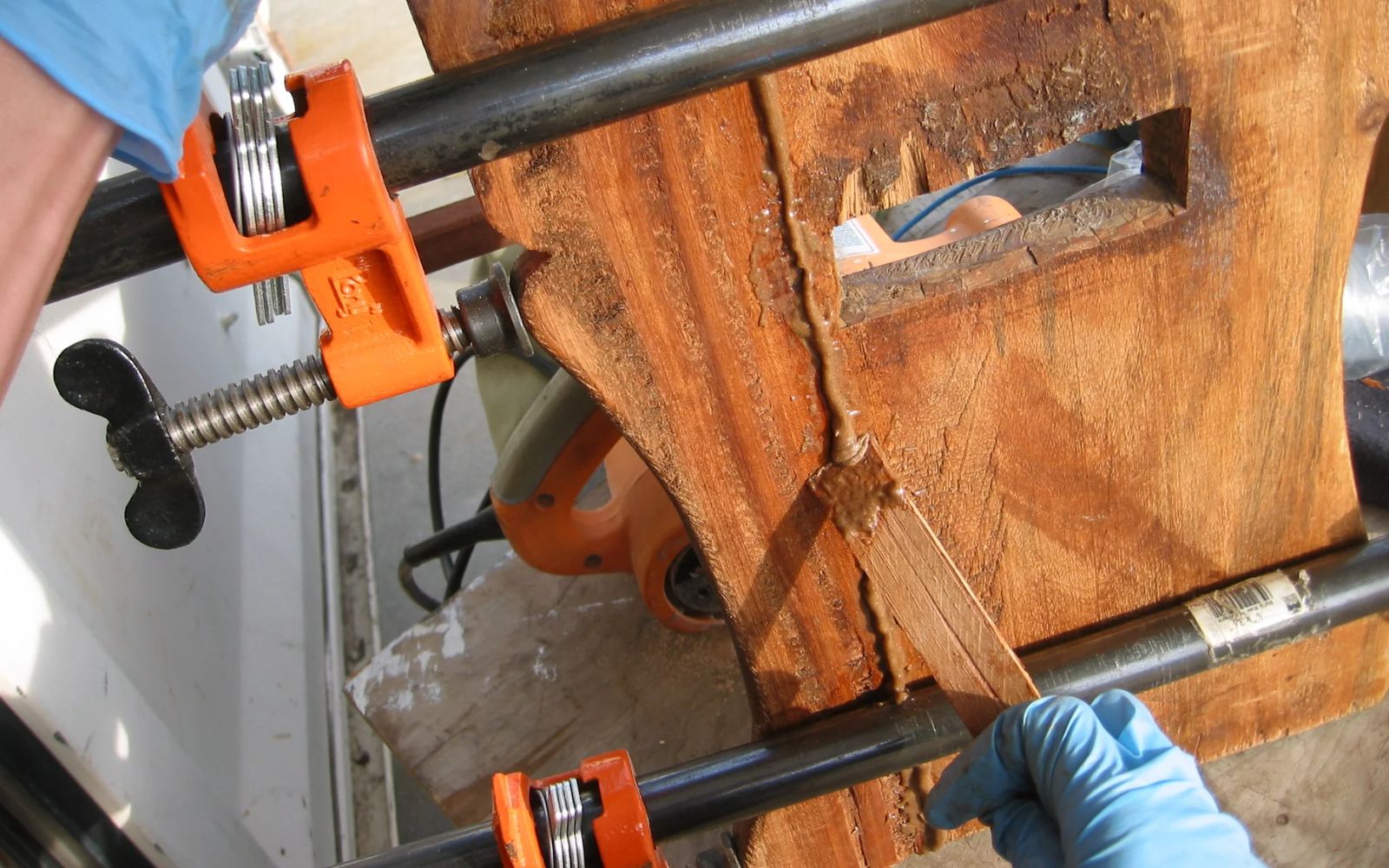
Fixing wobbly joints costs between 150 and 400 dollars. While some chairs just need glue, others require support added.
When metal loops show or the frame dips, a repair person might restring coils or swap in tougher straps. Cost lands between 250 and 600 dollars. A break in a leg or support rail runs between 100 and 350 dollars. Most jobs wrap up within half a day, though custom parts or hidden rot can nudge the price higher.
6. The Fifty Percent Rule
The “50% Rule” suggests repairs make sense when they cost under half as much as a similar new item. Yet numbers alone miss the point. Mending furniture means fewer trees cut and less mining. A chair kept alive skips the dump, reducing the strain on air, water, and soil.
Furthermore, repair supports the “circular economy,” keeping high-quality materials in use. When you choose to restore rather than replace, you support local artisans whose specialized skills are becoming increasingly rare. This isn’t just about saving a few dollars in the short term; it’s an investment in your home’s character. Well-maintained furniture retains value better than modern, mass-produced items, often becoming a financial asset in addition to a comfortable piece. By prioritizing repair, you move away from the cycle of constant consumption and toward a lifestyle that values quality, sustainability, and the unique history embedded in your living room.
Homeowners Guide 2026
Start by having sharp, well-lit pictures ready. Clear views from every angle help a pro judge the damage before stepping through your door.
Whether you need professional upholstery and cushion refilling, structural joint reinforcement, or precision wood restoration to make your heirlooms shine, Furniture Repair Man has the expertise to help. A small problem rarely signals it is time to say goodbye to something you love. Get in touch to see how mending makes better sense for your space and the planet.