



A water ring on a hardwood coffee table. A leather sofa with cracking running across both seat cushions. A dining chair that rocks on a failed joint every single time someone sits down. These aren’t reasons to replace furniture, they’re exactly the problems professional furniture repair exists to solve. The difference between a piece that gets thrown out and one that lasts another twenty years often comes down to one decision: calling a professional before the damage spreads further or a bad DIY attempt makes it permanent.
This is what professional repair solutions actually look like for the most common furniture damage homeowners face: wood, leather, and structural and what each solution delivers in terms of restored function and appearance.
Solution for Deep Scratches and Gouges on Wood Furniture
A deep scratch on a hardwood surface doesn’t only mess up the finish, it also pushes aside wood fiber, making a shallow depression that holds light and shadow, from about any angle. The proper approach usually begins with grain filler, put on in thin layers, to get the surface right back to level.After that, you apply a final topcoat that matches the original finish— lacquer, polyurethane so it seals the repair and brings everything back into one continuous surface.
So the end result is, in normal viewing, you pretty much don’t see the scratch. It’s not merely masked, it’s actually repaired to a point where the damage doesn’t really register visually or physically when you run your eyes across the surface.
Solution for Water Rings and Heat Stains on Finished Wood
White water rings and heat marks on wood furniture are usually finish damage, not wood damage . The heat has made the topcoat go cloudy, it has not actually gone down into the wood fiber beneath. That little distinction matters a lot, because it decides what you should do next. A professional generally handles it by doing controlled abrasion of just the harmed finish layer, then refinishing that portion using a matched product and the same sheen level.
For pieces where the discoloration is all over the surface, full refinishing often gives a cleaner look than lots of small spot fixes. A technician checks the real coverage first, and then decides . That honest assessment also helps you avoid paying for a full refinish when a spot repair is honestly enough.
Solution for Veneer Lifting and Separation
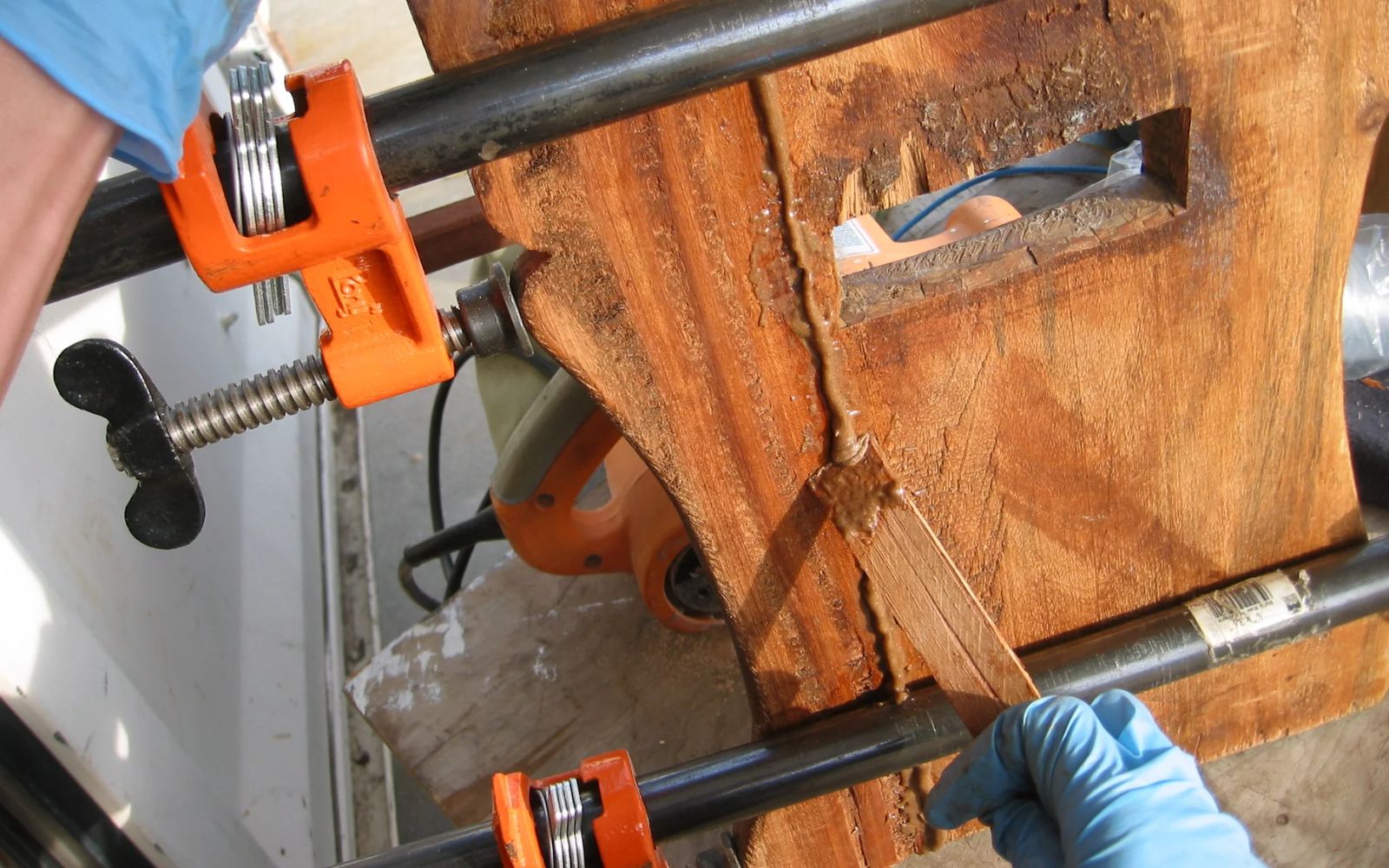
Veneer furniture can end up showing lifting and separation when the adhesive bond between the veneer layer and the substrate starts to fail a bit , which is pretty common in older pieces that had humidity swings. If nobody deals with it soon , the lifted veneer can end up cracking , chipping off, and slowly creating real losses. The more professional approach usually is to reattach the lifted section(s) carefully, use the right veneer adhesive , then press it evenly across the whole area with proper clamping , after that fill the missing spots with a veneer filler that matches both color and grain, as close as possible.
Timing matters here more than almost any other repair type. Veneer that has lifted but still stays in one piece is pretty much simple to reattach.
Solution for Cracking and Peeling Leather
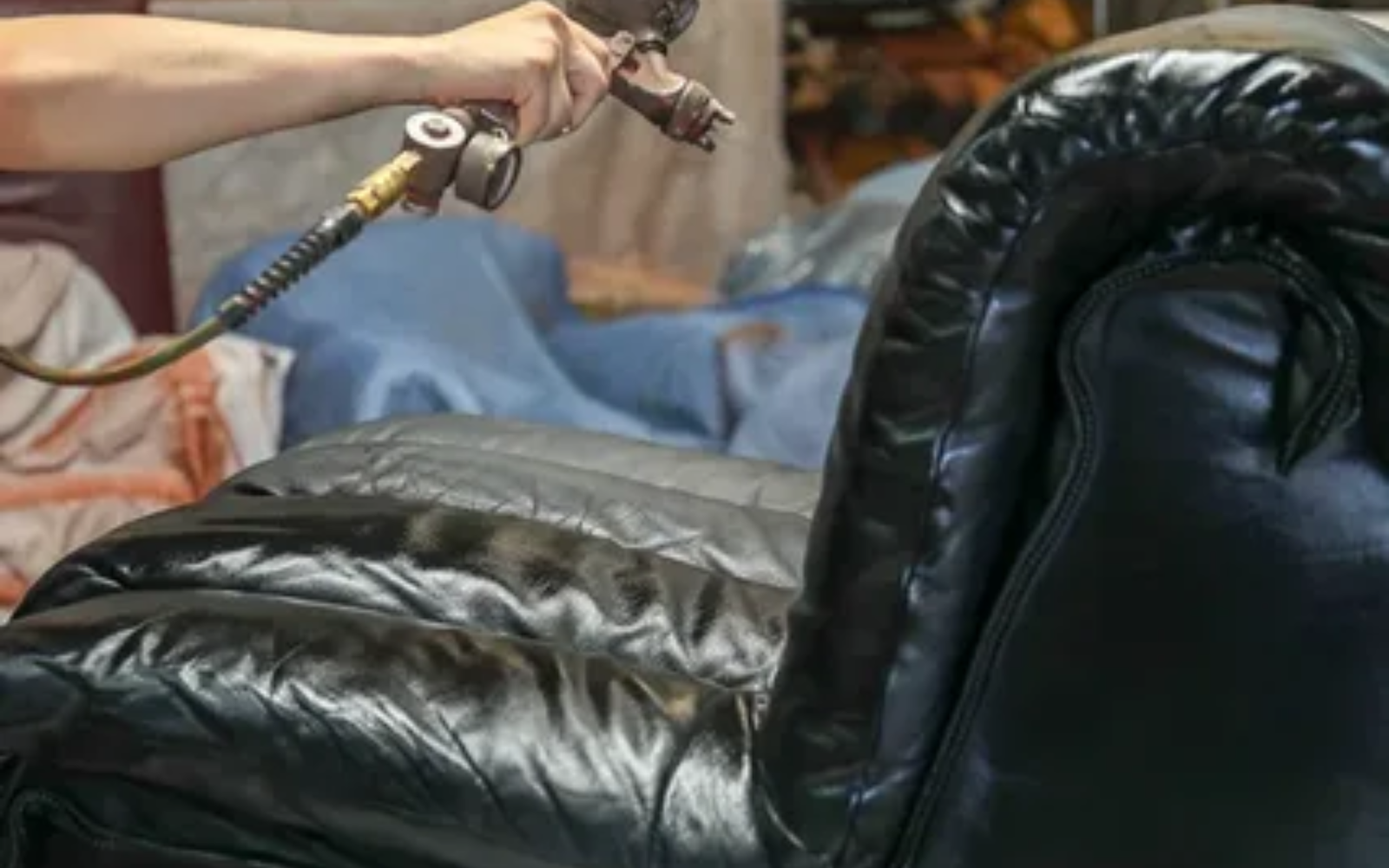
Leather cracking often starts off as surface dryness, then it sort of creeps into the structural breakdown of the hide’s surface layer if nobody deals with it. On full-grain ,and top-grain leather, a professional repair usually means deep conditioning first to bring back moisture and then a flexible leather filler is pressed into the splits, after that a color matched re-dyeing step, so the outer look is more uniform again.
With bonded leather which tends to peel instead of true cracking , the whole plan changes a bit toward sub-surface stabilization and then a careful topcoat restoration. In those cases it’s important that realistic expectations are clearly explained.
Overall the professional solution for cracked leather aims to restore appearance and also prevent the deterioration from going further. It doesn’t make the item new, it simply stops the progression of the damage and brings the surface back to a state.
Solution for Leather Punctures, Tears, and Burns
What Professional Leather Restoration Covers
- Punctures and tears , for example are often addressed by placing a sub-patch backing under the damaged area, then building up a leather filler compound in thin coats , after that the technician matches the color to the nearby hide so it looks steady and natural
- Cigarette burns and heat damage usually need the top material removed until you reach stable leather , then the area is filled with a flexible compound . Afterward the surface is reworked to blend with the original grain.
- Pet scratches, on the other hand, are treated using leather fillers and surface dyes so color continuity is brought back . If the scratch is deep enough to break through the surface layer, it generally gets the same sub-patch approach as punctures.
- fading or discoloration can be corrected by full leather re-dyeing and proper surface preparation . Then pigment is applied in layers , followed by a protective topcoat sealant that locks the color in place and restores the original sheen level.
Solution for Structural Failures Joints, Legs, and Frames
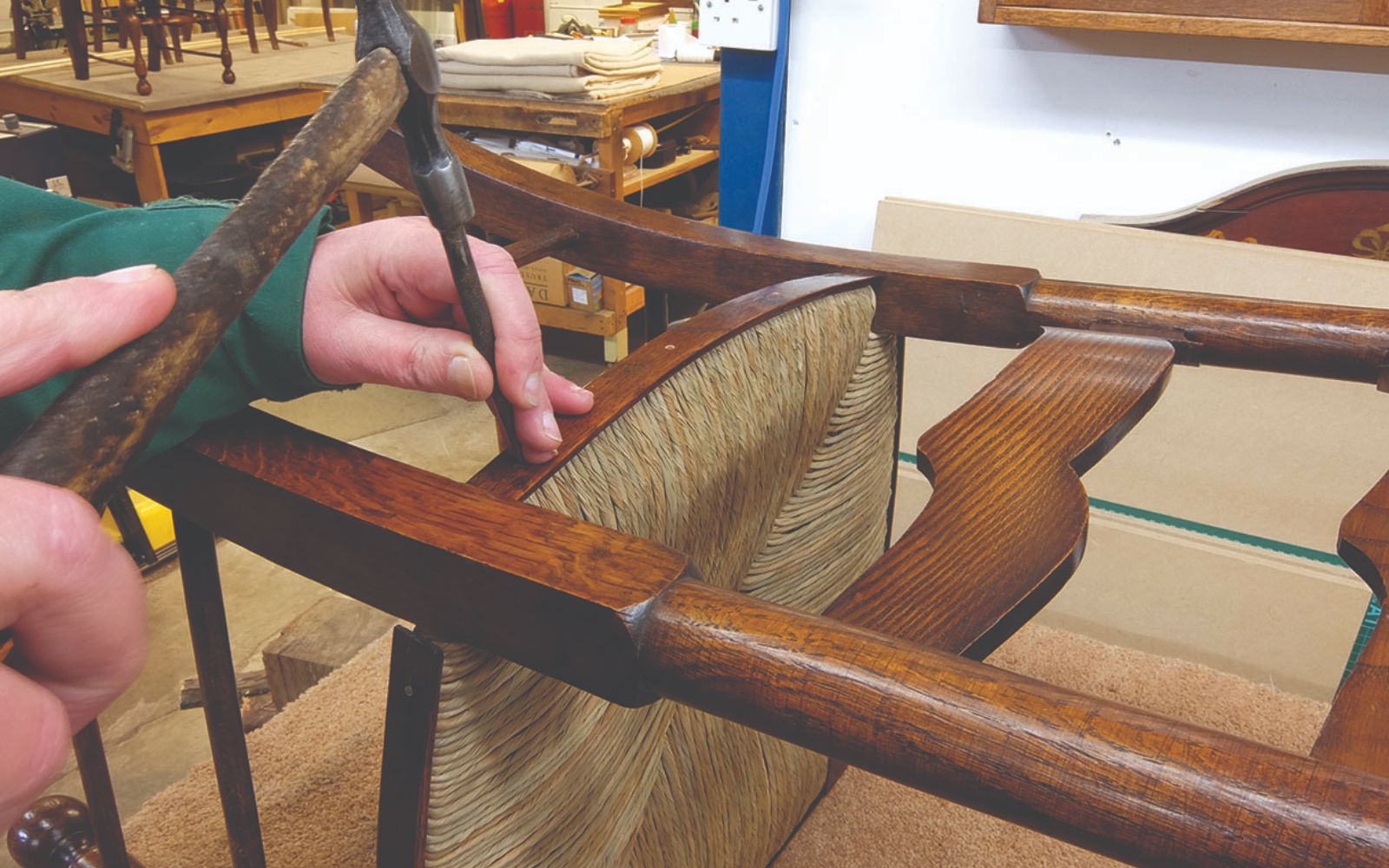
A wobbly chair or table isn’t only some sort of cosmetic issue , it’s a structural failure that keeps getting worse with each use cycle. The professional approach for failed wood joints is basically to take the connection apart all the way, scrape away every trace of old adhesive from both mating surfaces, and then glue it back together using the correct wood adhesive while the parts stay under sustained clamping pressure . If you don’t get rid of the old glue completely, or you skip proper clamping , the repair often fails again within a few months.
And when the original joint design is simply not strong enough for the load the item has to handle. These corner blocks distribute the stress in a more effective way than the original construction, so the repaired piece ends up stronger than it was before the failure .
Solution for Full Surface Refinishing
Some pieces show up to a stage where spot repairs, across a finish that’s deteriorated broadly, end up looking more like patchwork than actual restoration. If you see finish checking everywhere, crazing spreading through, deep discoloration, then it’s time for full stripping and refinishing. That is the most comprehensive wood furniture repair solution that is genuinely worth it.
A professional will strip the existing finish down to bare wood, handle any underlying surface issues, and then apply a fresh finish system that’s matched to the wood species, plus the piece’s original character.
With full refinishing on a quality solid wood item, like a walnut sideboard, an oak dining table, or a cherry bedroom dresser, it gets back to a condition that rivals new. It’s simply the right option for furniture you plan to keep for a long time.
Solution for Antique and Heirloom Pieces
Antique furniture restoration requires a different standard than modern piece repair. Here the solution really tries to keep the original material wherever possible, and it leans on period-appropriate finishing methods , while also steering clear of modern products that can mess with the piece’s character. A professional working on an antique first identifies what the original finish type is: shellac, oil, wax , and then they work within that exact system instead of just putting on some contemporary product.
And for pieces that have genuine antique value, the right repair solution is the one that respects what the piece is, not the one that makes it look vaguely new, like everything else.
Why the Right Professional Makes Every Repair Solution Work
Every damage type covered here has one thing in common: the outcome depends entirely on who is executing the solution. A sub-patch leather repair done without proper backing fails within weeks. A wood joint reglued without full adhesive removal and clamping pressure loosens under the first season of use. Color matching on a hardwood surface rushed without layering toners correctly produces a repair that announces itself under natural light. The solution is only as good as the technician applying it: their material knowledge, diagnostic accuracy, and patience at every stage determine whether your furniture comes back looking restored or looking repaired. For homeowners who want the right solution applied correctly the first time, Furniture Repair Man is the professional your damaged furniture needs.