



That old couch you love might still sit right in the middle of everything. Maybe it’s the way the light hits the worn spot on the armrest each morning. Or perhaps it’s the creak when someone sits just where they always do. Years go by, then small things start to shift—stitches split open without warning. Wood stretches apart at the corners. Padding sinks deeper than before. Suddenly, what once felt solid now wobbles under weight. A question appears slowly: replace it all now, or try fixing what’s already there instead.
Every chair and every table holds memories inside its wooden grains. Yet, fixing one means looking close at cracks, joints, and fabric wear, too. What matters most isn’t just the age, but whether repair matches what it truly brings you daily. Sometimes glue won’t mend meaning. Other times, sanding down layers reveals worth hidden beneath dust and time.
1. Check the Frame’s Condition
Start strong—the frame acts like bones inside a piece of furniture. When it’s built well, most other parts don’t matter much because they can always be fixed or swapped out later.
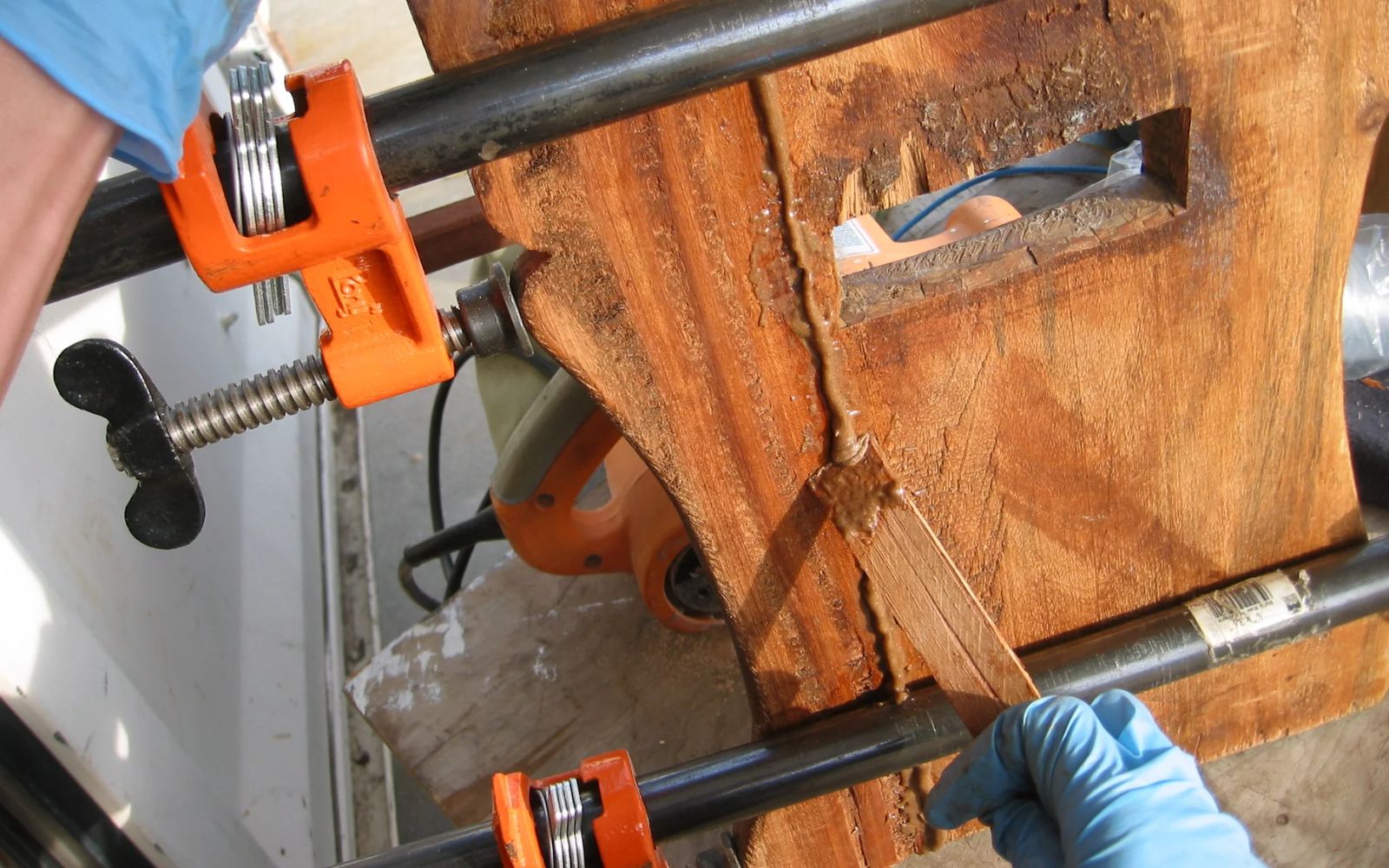
Start by shaking the sofa gently. When it moves too much, glue could fix loose corners. Hold pieces together tightly after applying adhesive. Sometimes added bracing helps stability. Worth repairing in nearly every case.
Wood type makes a difference. Take oak, maple, or walnut—these hardwoods usually survive decades without failing. Owning one with a solid wood base? Chances are high that fixing it pays off. On the flip side, items built from particleboard, MDF, or low-grade pine tend to fall apart under stress. When the core structure splits or flakes apart, replacing beats restoring every time.
2. Emotional and Historical Value
Love makes some things worth fixing, no matter what. A chair might carry memories instead of just holding weight—like that old vanity passed down from grandma, or the desk saved up for after landing a first job. Feelings often outweigh expense when history sits in the grain. What money can’t buy sometimes shows up in chipped paint and worn edges.
Older furniture tends to carry a level of care you hardly see in today’s factory-made versions. Notice the dovetail joins, the carvings shaped by hand, the frames built from whole pieces of timber—each signals something made to last. Bringing one back to life does more than save an item; it holds onto stories, textures, and moments that flat-packed copies simply lack.
3. The Cost of Doing Things Right
Start by thinking about how much better new stuff really is. These days, lots of furniture isn’t made to last very long. Suppose that couch came at a low price half a decade back. Paying someone to reupholster it could now feel almost like buying one fresh.
Still, should that couch be one of those top-tier pieces, mending it runs far less than replacing it with something similar. Picking repairs means more than patching up a place to sit—it honors what you once paid for careful making. Well-built furnishings come built to last, so coils get rewoven, padding gets replaced, and cloth gets renewed, giving the whole thing a second life almost like new.
4. Cosmetic Issues vs. Structural Failure
Some harm shows right away; others hide beneath. Spotting what’s just on top versus what’s broken inside makes all the difference.
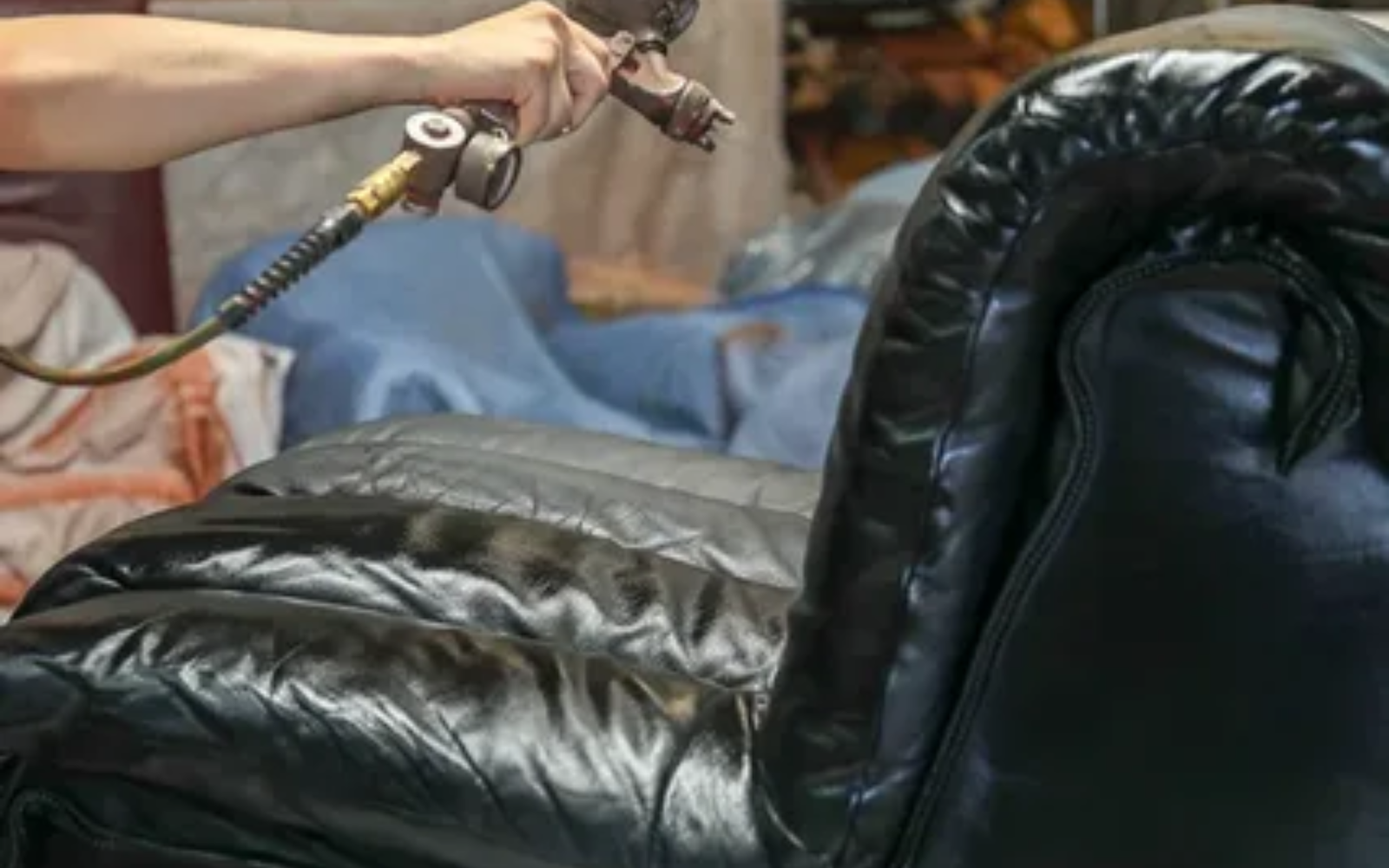
Worn spots on cloth might show stains, yet they only touch the surface. A faded couch hides nothing but time’s mark on its hide. Scratches in wooden tops appear worse than they are. Fixing these often costs less than expected. Renewed fabric brings life back through skilled hands. Conditioner wakes up tired leather, making it supple again. Wood gains depth when refinished by someone who knows how. The room feels new even though the pieces stay put.
A drooping spring or snapped leg might look bad, yet it usually means just hidden strength needs fixing. Broken backrest? That kind of damage takes patience plus steady hands, nothing beyond reach. Skip the worry—these jobs test ability, then deliver quiet pride when done.
5. Environmental Impact
These days, people think more about what they throw away. Furniture adds up fast in dumps across the country. Fixing what you already own counts as a real step toward lighter harm. It keeps wood, metal, and fabric out of trash cycles while slowing down constant buying. Each mended chair or table means one less item needing transport, boxes, and factory work loaded with emissions.
6. When to Let Go
Fixing stuff feels good, yet sometimes swapping it out makes more sense. Still, not every broken thing needs tossing—judgment matters.
When bugs, mold, or soaked materials take over an item, it often can’t be saved—sometimes it’s just too far gone. A single spot might be manageable, yet widespread harm changes everything quickly. Rotting corners, crawling pests, every damp fold whispering decay—it builds up until nothing feels clean anymore. What looks fixable at first glance hides deeper ruin beneath layers of fabric and foam. Once those invaders settle deep, even scrubbing won’t bring back safety.
When a structure relies on low-quality parts falling apart, fixing it won’t help much down the road. A shaky base means trouble sticks around, even after patching things up. The root issue stays unless materials get swapped out properly.
When life shifts—say, kids or animals enter the scene—a tougher fabric might suddenly matter. Owning something delicate won’t help much then. A fresh item built for wear-and-tear could make more sense. Holding on to old furniture just because it exists? That rarely solves real problems. Sometimes replacing beats repairing by a long stretch.
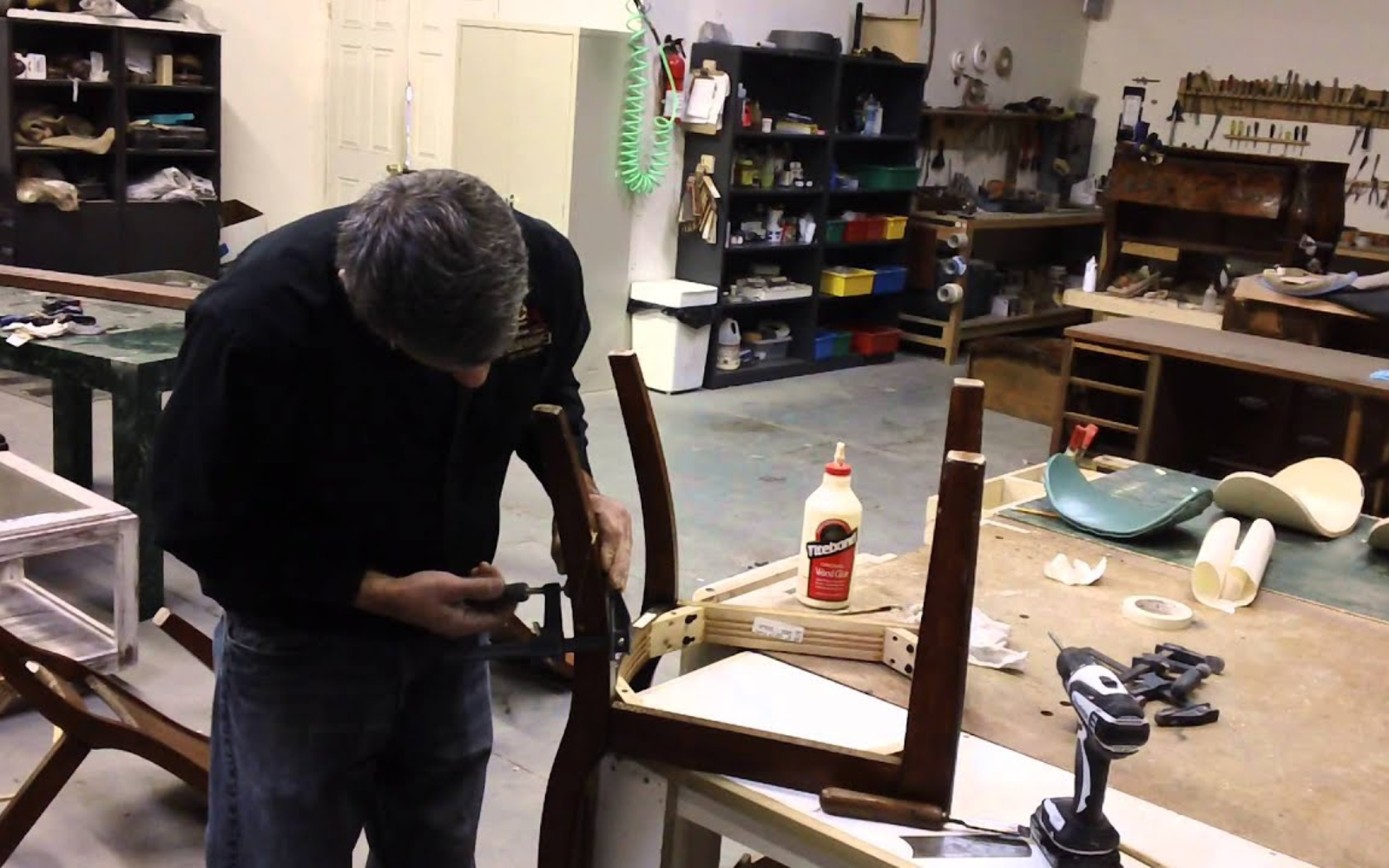
Making the Call: Let the Experts Help
Most times, it’s hard to know if fixing something makes sense once it looks worn out. Help is available instead of guessing on your own. Our team checks each item closely, giving clear thoughts about what can realistically be done. The call isn’t always obvious—sometimes, seeing it through trained eyes changes everything.
Furniture lasts longer when cared for properly. Our offerings help keep pieces looking fresh over time. Because maintenance matters, support is available through tailored solutions. From cleaning to repairs, each option focuses on durability. When wear happens, restoration steps in. Longevity comes from consistent attention.
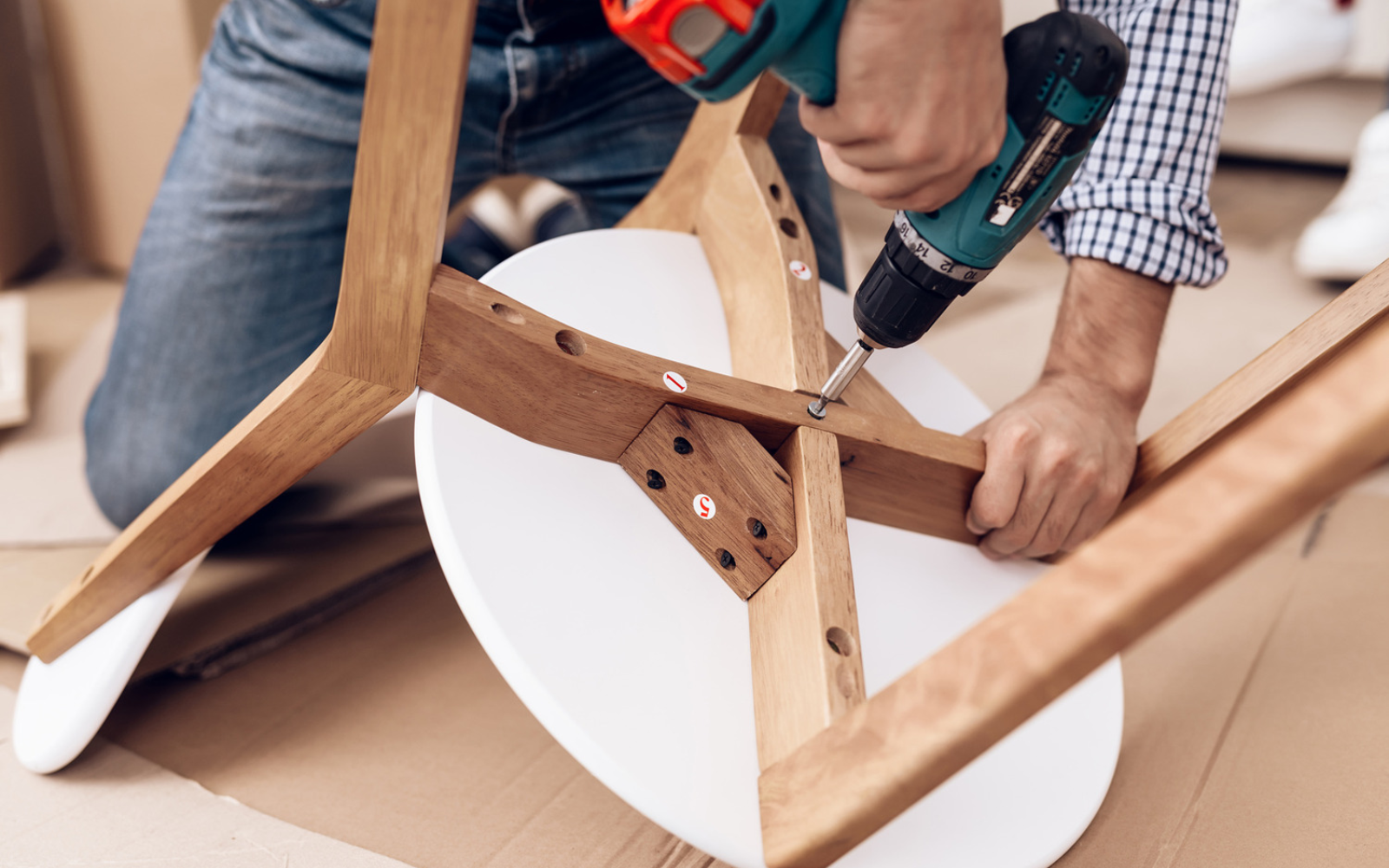
- Structural Joint Reinforcement – Restoring stability to wobbly chairs and tables.
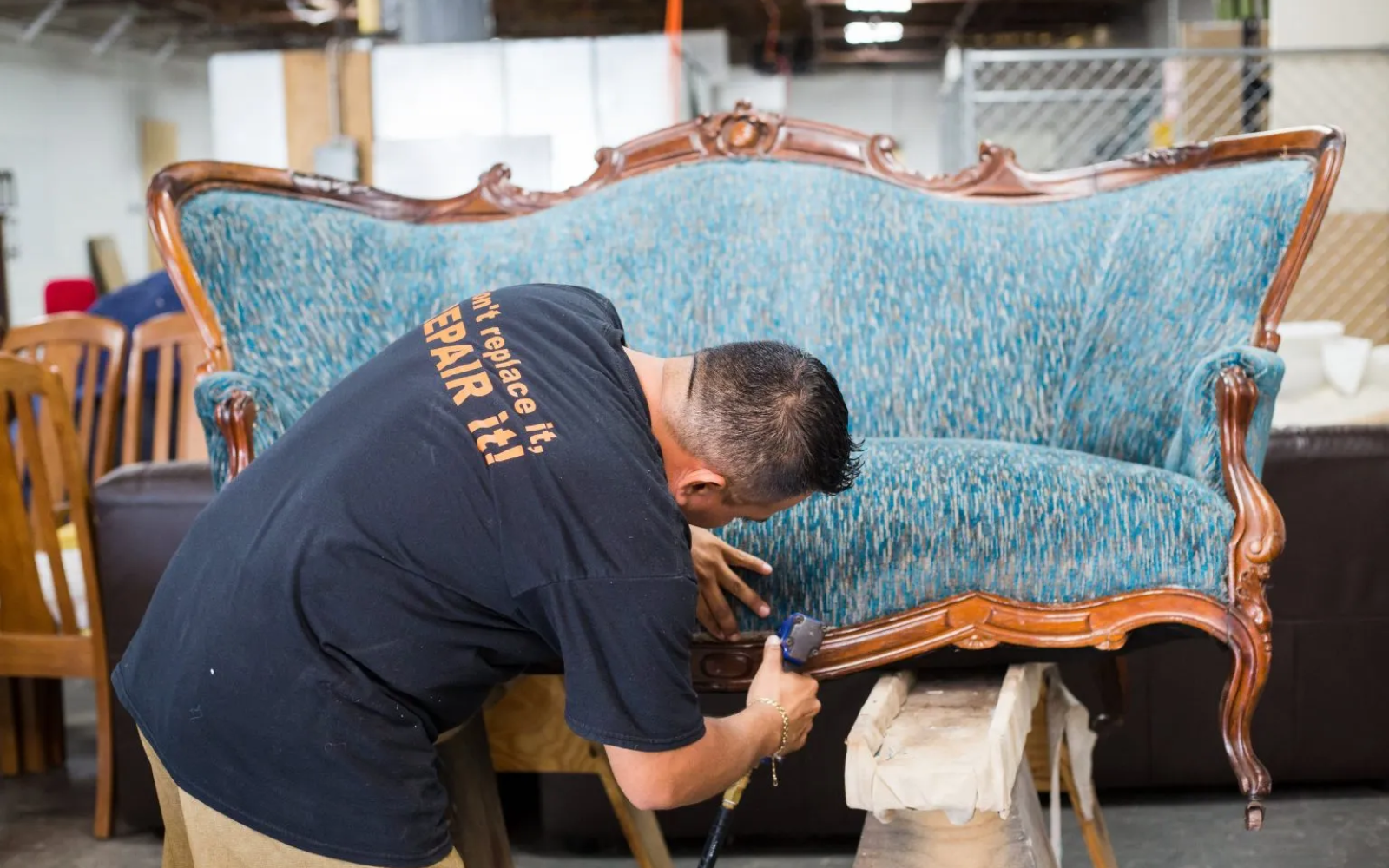
- Professional Upholstery and Cushion Refilling – Bringing back the comfort and style of your seating.
- Precision Wood Restoration and Refinishing – Removing scratches, water rings, and fading to reveal the wood’s original beauty.
Fixing up your furniture adds soul to where you live. Because those favorite chairs or tables? They stay useful much longer when cared for. A little effort now means more moments later, sitting right where you love. Maybe that couch still has years left. Reach out to Furniture Repair Man now—book a chat, see what can be fixed. Sometimes giving old pieces another chance makes more sense than saying goodbye.