



In today’s advanced lifestyle, furniture is not just a useful item but an important part of a home or office’s overall beauty. We all know that quality furniture is expensive and commonly, people get confused about whether to repair their furniture if it gets damaged or starts looking old or if to replace it completely.
This decision is not just a financial one but also involves lifestyle, comfort and long-lasting utility. Deciding between furniture repair and replacement is sometimes not straightforward, as many elements come into play in every case, such as the age of the furniture, its material, repair costs and future durability. In this article, we will explore in detail which choice could be more financially and practically useful for you.
The Concept and Benefits of Furniture Repair:
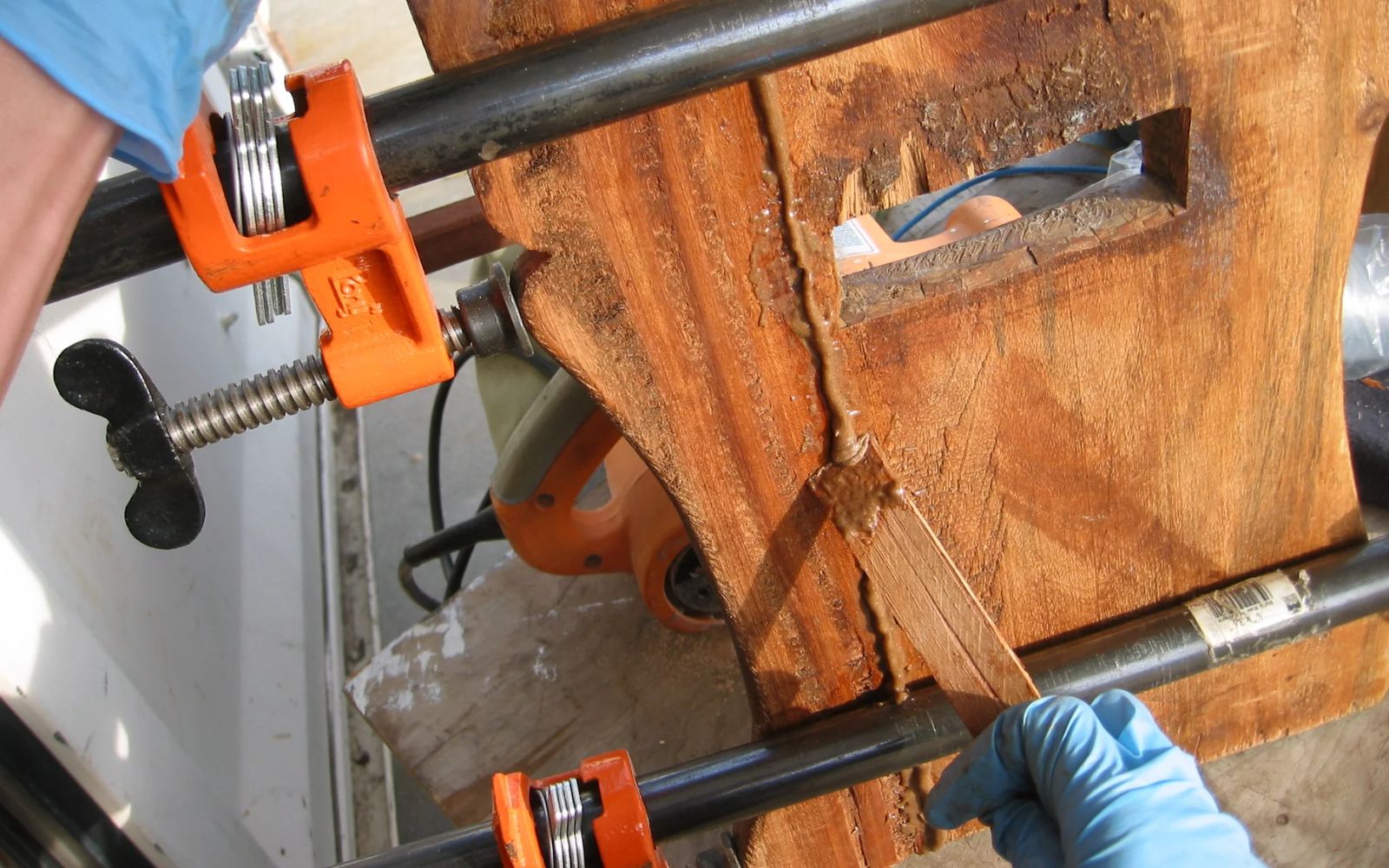
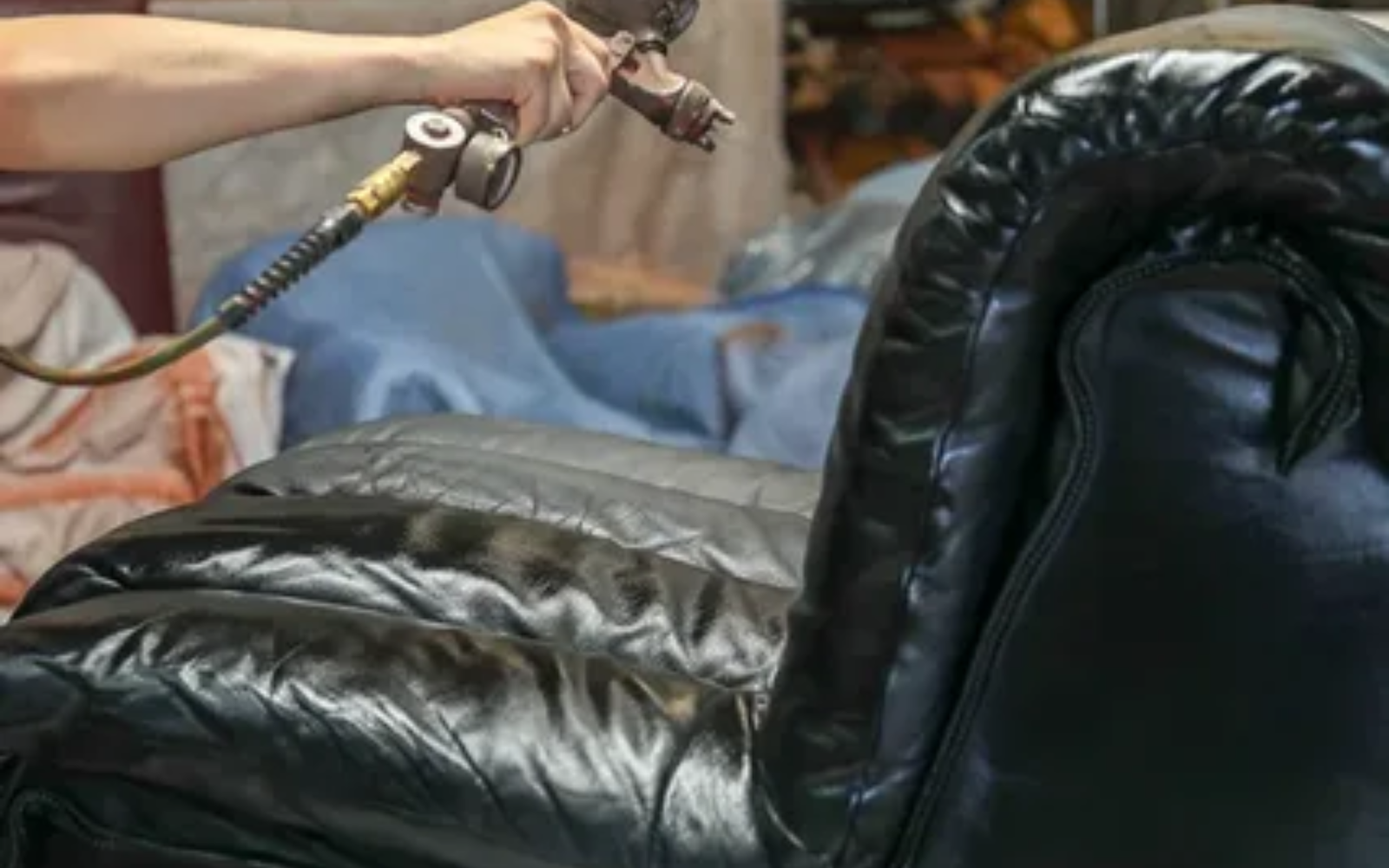
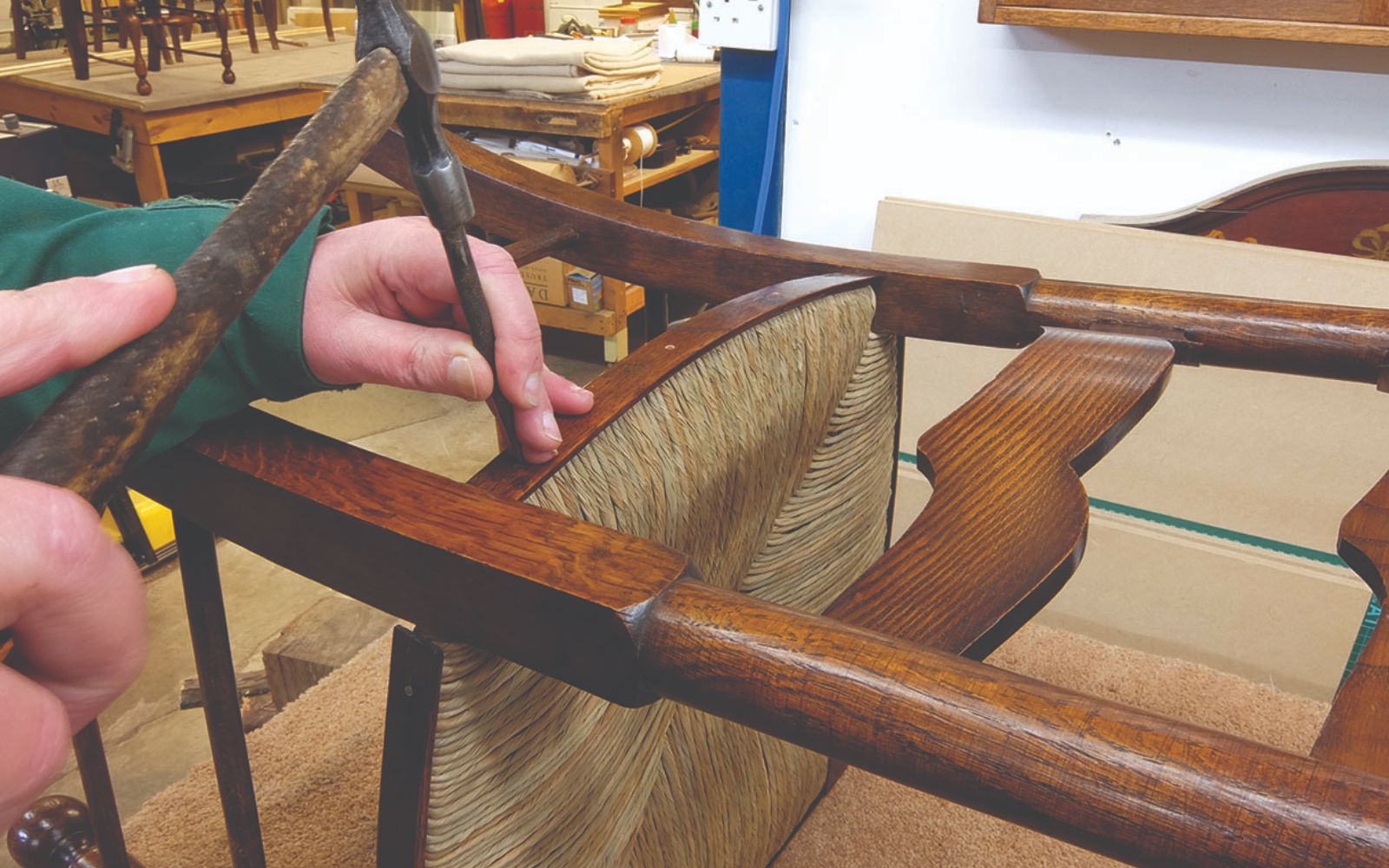
Furniture repair means restoring old or damaged furniture to make it useful and attractive again so that you can continue using it. This choice is ideal for those who need to maintain the value of their furniture or adopt a sustainable lifestyle.
The first benefit of repair is effectiveness. Minor damages such as scratches, dents, loose joints or cushion stuffing issues commonly cost much less to repair than buying new furniture. This is especially profitable when your furniture is made of high-quality, strong and durable materials, which can be used for many more years after repair.
In addition, furniture repair is an environmentally friendly choice. Repairing old furniture instead of arranging it reduces landfill waste. This makes it a charming option for people who need to make eco-friendly decisions.
Repair also increases the useful life of furniture. With a good repair service, your chairs, tables, sofas or cabinets can last much longer, providing you with short-term savings along with long-term benefits.
The Concept and Benefits of Replacement:
Replacement means completely changing old or damaged furniture by buying new pieces. This option is suitable for those who prefer a new look, updated features and benefits.
One of the main benefits of buying new furniture is modern design and comfort. Even after repairing old furniture, it may still be old in terms of design or usability, which can affect long-lasting comfort and beauty. Replacement allows you to enjoy the latest trends and useful improvements.
Additionally, new furniture commonly requires less maintenance. Old furniture, even after repair, may also require repairs in the future; new furniture commonly comes with a warranty and remains tension-free for some time.
Another main benefit of replacement is durability. Modern furniture is commonly made with advanced materials and construction methods, making it more durable and long-lasting than older pieces. This way, despite the first high investment, you get stable value over the long term.
Cost Comparison: Repair vs. Replacement:
From a financial point of view, repair is commonly affordable in the short term. The cost to repair minor damages can be only 10 to 30% of the total price of the furniture, which is much less compared to buying a new item. If your furniture is high-quality, durable and has a timeless design, repair is a sensible financial decision.
Still, if the furniture is very old, the material has devalued or regular repairs are required, replacement becomes a more reasonable choice. Sometimes, the increasing cost of many small repairs can equal or beat the first investment for new furniture.
Also, repair costs depend on your area and the rates of expert services. Skilled carpenters, interior fabric experts and refinishing experts charge differently and repairing expensive furniture can sometimes be surprisingly expensive. Replacement costs also change, but the warranty and durability of new furniture commonly justify and defend the expense.
The Role of Furniture Material and Age:
The material and age of furniture are important parts in decision-making. Solid wood furniture is an ideal option for repair since wood can be easily sanded, polished and restored. For metal or engineered wood furniture, repair choices are limited and replacement may sometimes be more useful.
Age is also important. If the furniture is 10 to 15 years old and basic issues have increased, repair could provide only a short-term solution, making replacement necessary in the long run. New furniture is built with new materials and structural methods, which are stronger and more reliable than older items.
Sentimental Value and Personal Choice:
The decision between furniture repair and replacement sometimes depends more on sentimental and personal choices than on financial considerations. If you own a family heirloom or a piece whose design and beauty you love, repairing it can be emotionally satisfying and valuable.
While replacement may look more logical technically, the sentimental connection commonly justifies repair. Personal taste also plays an important role; some people prefer to maintain a classic look, while others prefer modern and updated interior beauty.
Long-Lasting Value and Investment Perspective:
From both financial and lifestyle perspectives, it’s important to survey the long-lasting value. Repair provides short-term savings and decreases environmental impact, but the furniture may need regular maintenance. Replacement requires a higher first investment, but modern, durable furniture provides low maintenance and regular service over time.
From an investment perspective, the discision mainly depends on if you prioritize short-term savings or long-lasting comfort and durability. Repair is commonly reasonable for high-end furniture, but for medium-quality or factory-made items, replacement provides a better return on investment.
Useful Tips for Furniture Repair and Replacement:
If you are examining a repair, it is important to get a skilled assessment. Analyzing minor scratches, loose joints or cushioning damage will provide you with a true cost estimate. You should also compare it with the cost and choice of replacement.
In the case of replacement, consider warranty, durability and after-sales services. Sometimes, low-cost new furniture may look inexpensive at first, but it may wear out quickly, first to higher future costs.
While deciding, also take into account the usage, location and lifestyle wants for the furniture. For pieces that are regularly used or subjected to heavy use, durable replacement may be more useful than repeated repairs.
Environmental and Durability Perspective:
Repairing furniture is an eco-friendly option. Every repair keeps the furniture from going to rubbish dumps and allows materials to be reused. This promotes a sustainable lifestyle and maintains resources. Replacement, especially of factory-made furniture, has a higher environmental impact because production and carrying consume more energy and raw materials.
To make a sustainable option, repairs should be arranged when workable. If replacement is unavoidable, selecting eco-friendly materials and responsible brands can help reduce environmental impact.
Conclusion:
The decision between furniture repair and replacement is a difficult one that combines financial, practical, sentimental and environmental issues. If the furniture is high-quality, repairable and holds emotional value, repair is a financially and emotionally wise and the best option.
Still, if the furniture is old, damaged beyond repair or requires regular maintenance, replacement becomes a more reasonable and useful choice. Ultimately, the decision should focus on your budget, lifestyle and long-lasting benefit.
Equally, repair and replacement have their benefits, and with careful surveys, you can select the best choice that not only suits your pocket but also keeps your living space useful and beautiful.