



That scratch across your dining table didn’t come from neglect, it came from living in your home. A moved chair, a dropped key, a pet that claimed the armrest as its own. The damage is real, but so is the instinct to immediately price out a replacement. Most homeowners don’t realize that professional furniture repair restores pieces close-to-original condition for a fraction of replacement cost, and for heirloom, antique, or high-quality solid wood and leather furniture, repair isn’t just cheaper, it’s smarter.
The tricky part is that not all damage looks the same and not all materials react the same way, a repair done wrong causes more permanent harm than the original scratch ever did. When you understand what expert furniture restoration actually involves for both wood furniture repair and leather furniture repair you can choose correctly before the problem gets worse, or turns into a bigger repair.

Why Quality Furniture Is Always Worth Repairing
Solid wood furniture oak , walnut, cherry, mahogany isn’t made the same way it used to be. Older pieces with dovetail joinery and mortise and tenon construction, plus hand applied finishes, they have this steady kind of craftsmanship that today’s flat pack alternatives just don’t mirror, not really. A structural repair on a well-built item can extend its functional life by decades. The same idea applies to full-grain leather sofas, a properly repaired piece that’s been correctly conditioned can outlast bonded leather replacements, sometimes by a lot.
What Expert Wood Furniture Repair Actually Covers
Wood furniture damage usually splits into two categories: surface and structural. Most homeowners spot surface trouble first, scratches , gouges, water rings, heat marks, odd discoloration , and finish coats that thin out or peel. Structural damage is different though: broken joints , split frames, wobbly legs, and veneer separation. Both can be repaired by a skilled technician but they do not use the same approach at all.
Surface repairs on stained wood furniture don’t just mean filling. You need to match the current wood tone and grain pattern, not only cover the damaged spot. A professional blends the repair invisibly using grain fillers, toners, glazes, and topcoat lacquers. If it’s done right the repair disappears. If it’s done wrong, it will show forever.
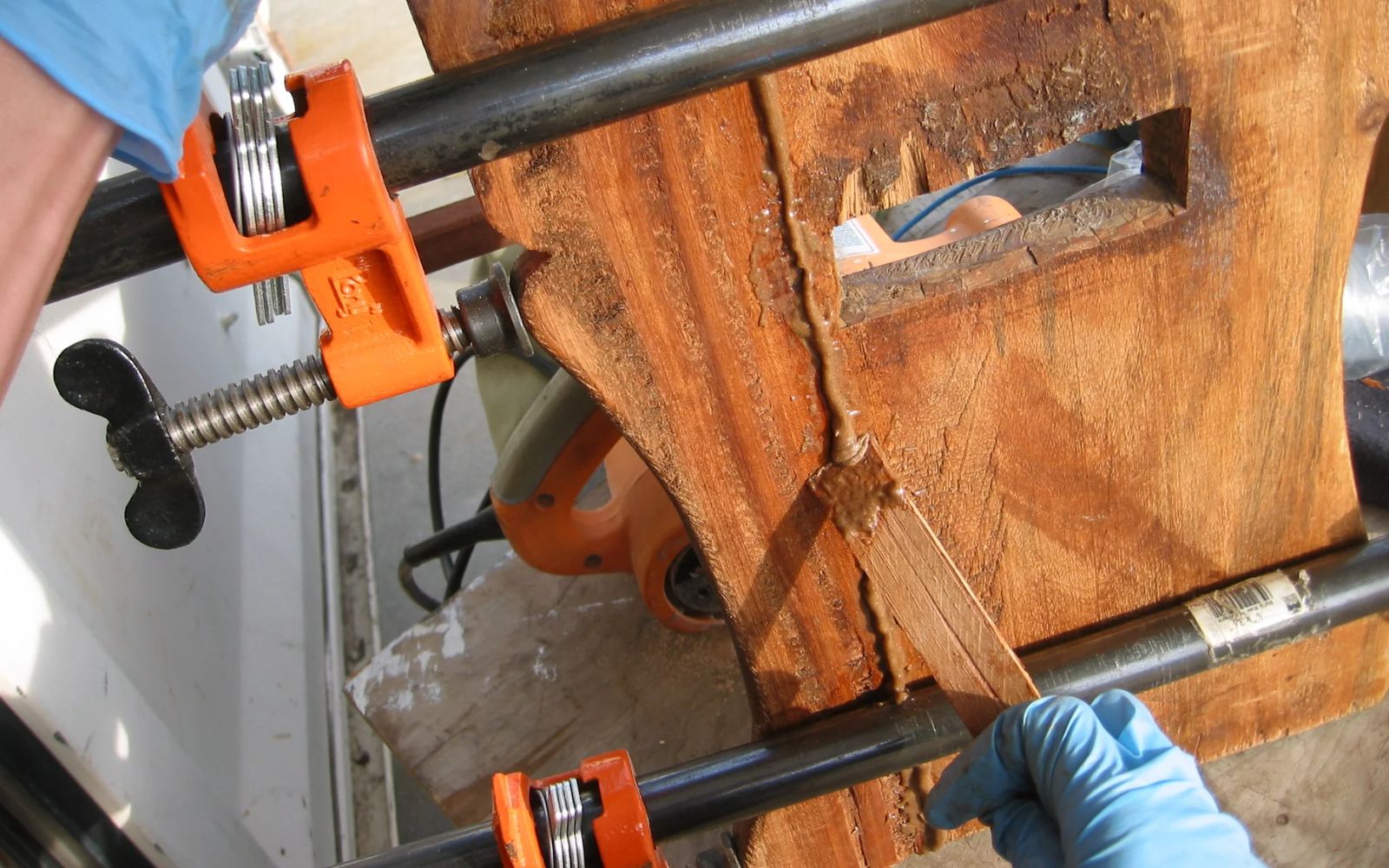
Structural repairs on chairs, tables, and cabinets often mean re-gluing the joints, adding dowel reinforcement, or sometimes rebuilding a whole frame. A wobbly dining chair, once treated with the right wood adhesive, can stay solid for years. Using household glue can lead to failure within months, even if the chair looks fine at first.
Leather Furniture Repair What Can and Can’t Be Fixed
Common Leather Damage Types and What Repair Looks Like
- Scratches, scuffs on full grain or top grain leather : fixed with leather fillers and color matched dyes, so the surface reads as one again, without messing up the hand feel or making it feel “patched”
- Cracking and peeling too, which you often see on bonded leather plus older items where the hides dried out ; you treat it with leather conditioners, flexible filler compounds and then re-dyeing, to get back that supple look and vibe
- Punctures and tears are a different story, they usually need sub patch backing and a leather filler that gets built up in layers, then color matched and finally blended into the surrounding area
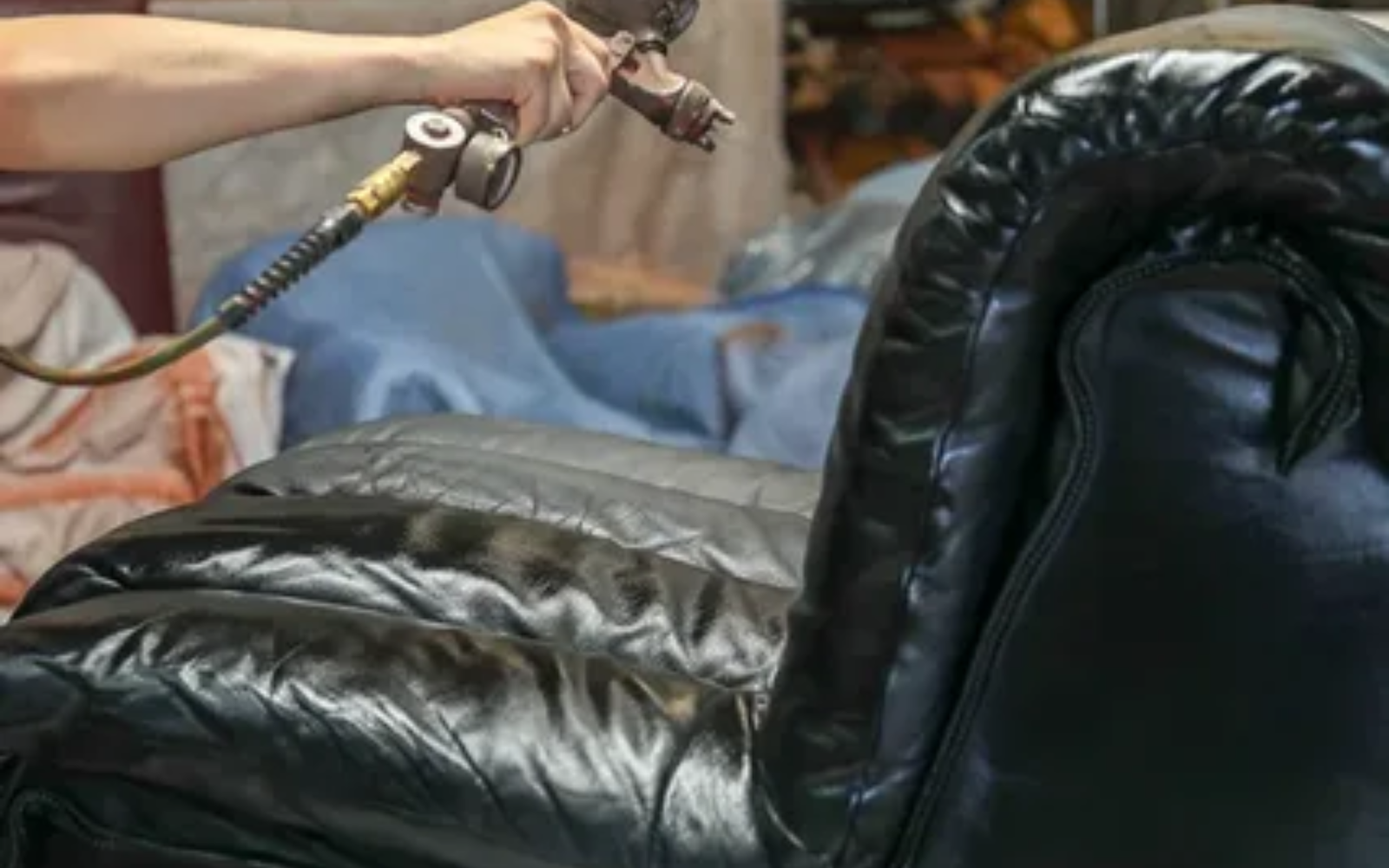
- Fading and discoloration : corrected by leather re-dyeing , but it’s not just one step, it’s prep, pigment work, and a protective topcoat seal so it doesn’t flash weird later
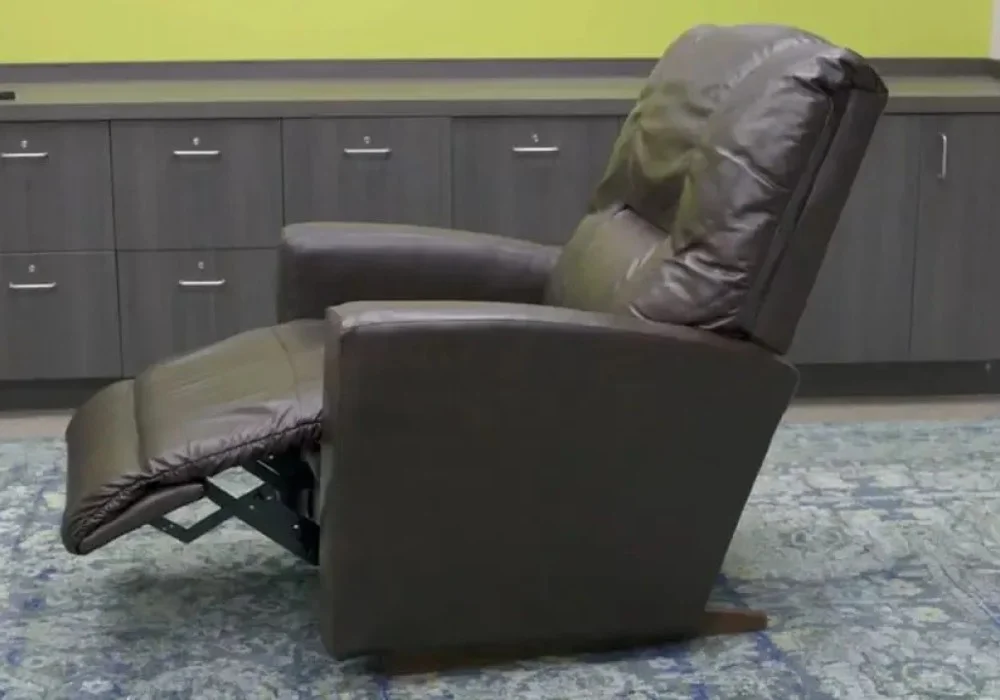
- Cushion and foam breakdown is handled by replacing the seat foam cores or the fiber fill underneath, basically restoring the original form and support, not swapping out the outer leather shell like it’s nothing
How Professionals Match Color and Finish on Repairs
This is where amateur repairs get obvious fast. Color matching on leather and wood takes real ability, because light hits different textures in different ways, dyes soak in across grain changes, and topcoat sheen levels can change what you even think you’re seeing
A professional technician might use spectrophotometer style tools, or they may just rely on a trained eye matching against original samples, trying to make the blend look right from every angle
For wood furniture, matching the finish also means figuring out what’s already there, whether it’s lacquer, polyurethane, oil, wax, or shellac, before any repair product goes on
If someone puts a polyurethane touch up over an original oil finish, you can get adhesion failure and that obvious visual mismatch ; that little detail is what separates real expertise from a quick weekend DIY attempt.
Antique and Heirloom Furniture Why Repair Beats Replacement Every Time
A family heirloom dresser or an antique dining set has value beyond the obvious, a showroom can’t touch the sentimental , historical, and often financial pull it carries
With antique furniture restoration you’re trying to work with original materials when possible, using period appropriate finishing methods, and skipping modern products that shift the character or reduce value
A reputable furniture repair professional understands that, and won’t throw a high gloss modern lacquer on top of something that originally had a hand rubbed oil and wax finish, not if they want it to look like it belongs there
For pieces with documented provenance, or genuine antique market value, proper furniture restoration can actually preserve value, and sometimes increase it which is the opposite of what an improperly executed repair, or an unnecessary replacement, tends to do.
Signs Your Furniture Needs a Professional, Not a DIY Kit
Those hardware store scratch cover markers, quick leather repair kits, yeah they can help with little, almost nothing cosmetic nicks on low-stakes pieces. But they don’t really fix deep gouges on hardwood tables, cracked leather on a nicer sofa, loose structural joints, or when veneer starts lifting on an antique cabinet. If you try to patch it up without the right materials, you end up hiding the damage for a bit.
If the damage is noticeable from a normal seat, or if it’s on something you actually care about keeping in great shape, that’s basically the point where a professional call makes sense.
What to Expect From a Professional Furniture Repair Assessment
A good technician assesses the furniture in person first, before they quote anything. They’ll figure out what wood species you have or what leather grade you’re working with, then they compare surface harm vs. deeper, supporting damage. After that they decide whether you only need spot work, or whether refinishing is required beyond the small area. You should also get a clear estimate before any work starts. Not every repair is truly invisible.
Timeframes vary, depending on how complicated the damage is. Small leather scratch repairs and light wood surface touch ups are often handled in a single visit. But full refinishing, structural rebuilding, or antique restoration stuff takes longer, even though the end result usually justifies the wait.
Protecting Repaired Furniture and Preventing Future Damage
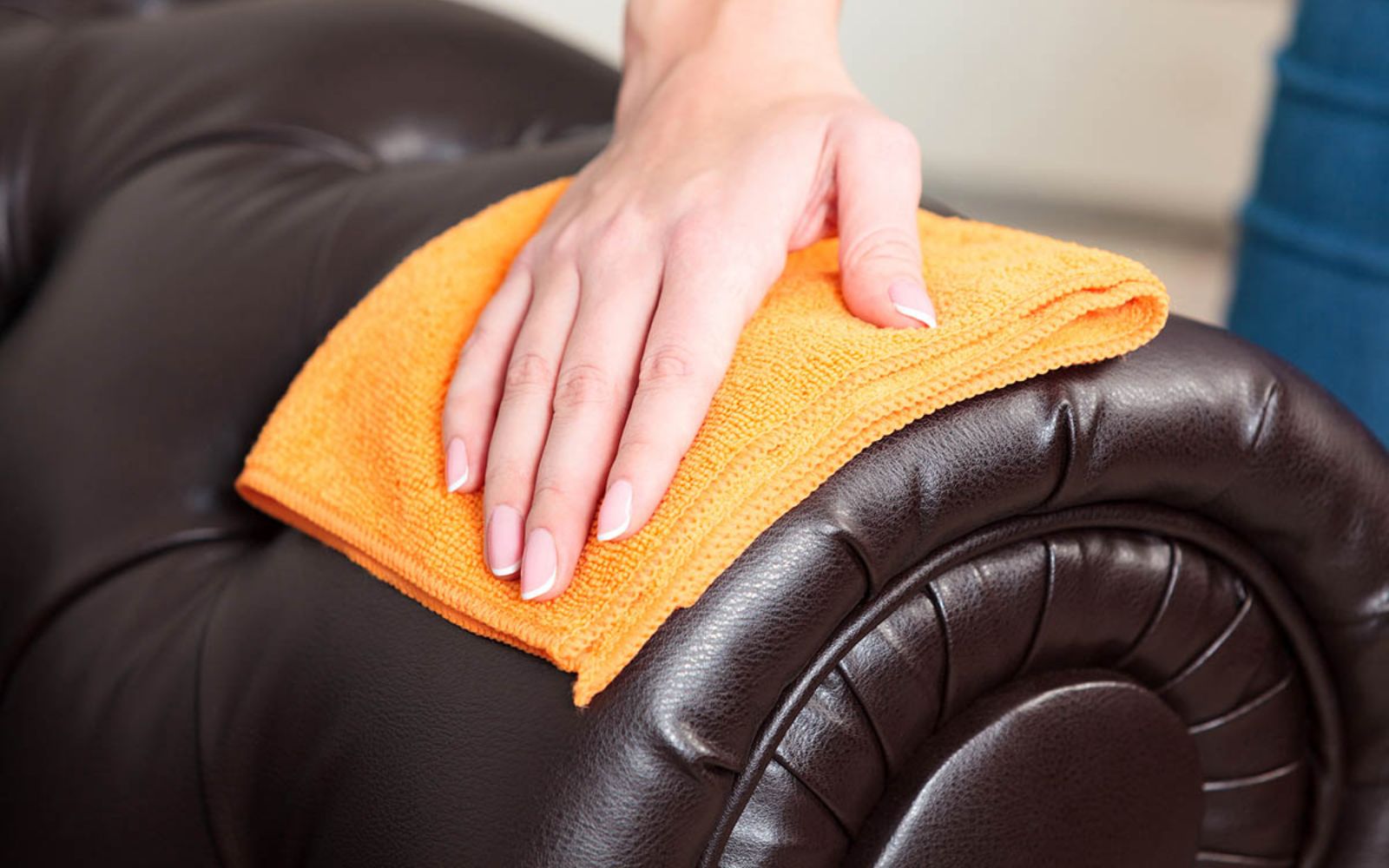
Once a pro finishes the repair, it still comes down to basic care, done consistently. Wood furniture usually does best with furniture wax or oil applications every few months. Also use felt pads under anything that sits on the surface. Leather furniture needs regular conditioning using a pH-balanced leather conditioner, otherwise it dries out and starts cracking. Keep it away from direct sunlight.
These small habits protect the investment you made in professional repair, and they can stretch the life of quality furniture by years.
The Right Repair Professional Makes the Difference
Not all furniture repairs are the same, and the person you hire should be able to tell the difference between a surface scratch on walnut and a finish failure that really needs a full strip and refinish. They should also recognize when a leather scuff can be buffed smooth, versus when a crack needs reconstruction, kind of a sub-patch approach.
That diagnostic accuracy knowing exactly what the damage calls for before anything gets touched, is what prevents a repair job that turns into a bigger problem than the original damage was. If you want that level of know-how applied to your wood furniture restoration, leather repair, or antique refinishing, Furniture Repair Man brings the skills, the right materials, and that careful eye for detail to every job.